

There is a hint of spring in the air, and already some of our early nesters are busy preparing for the breeding season ahead. I like to paint with my studio door open as things start to warm up. It lifts my mood to hear the spring bird song fill the air. I was so glad when I did because just as I was lifting my paintbrush to my easel, I heard the high-pitched ‘tsurp’ sound a long tailed tit: the contact call between male and female. Since I knew this was a sign these beautiful could be building a nest, I headed outside to watch.
The first to start are long-tailed tits
Long-tailed tits are one of my favourite birds. They have round bodies covered in pink fluffy feathers and long black tails. It is this long tail that helps easily distinguish this species from others. They are very active birds and flit from branch to branch, rarely staying still for more than a second, so that it can be hard at first to spot them. But their noisy, sociable calls usually give them away and it didn’t take me long before I found the pair flying up and then down the length of the garden hedge. I followed the line of this hawthorn until I found their nest, hidden in a nearby berberis shrub.
Each year, long-tailed tits are one of the first birds to begin nesting. They build domed-shaped nests to enclose their chicks in, closed to the elements save for a small entrance hole. Made from moss, lichen and woven together with cobwebs, these are intricate structures, soundly built. The addition of sticky cobwebs is an ingenious touch, since this species is known for their large broods and the cobwebs help the nest stretch to accommodate the chicks as they grow. I’ve heard of one pair having 15 chicks, although it is more usual for this species to have between eight to 12, so the nest needs to have a bit of ‘give’.
These beautiful birds make ingenious nests
I headed back to the house to grab my camera. It is very important not to disturb nesting birds in the breeding season, and so I positioned myself in a nearby bush, a length of camouflaged netting draped over me so that I could film the long-tailed tits coming and going without unsettling them. The delicate shade of their pink feathers complemented the deep purple of leaves of the berberis. Even the brown pheasant feathers they carried in their beaks to line their nest with were perfectly matched.

Soon more bird species start building their nests
As I photographed these busy birds, I was distracted by the courting calls of kestrels in the skies above me. I looked up to see a pair of these birds of prey investigating a nest site in a tree a short distance away. A pair of noisy jackdaws then appeared, and the kestrel’s gentle contact calls soon turned to shouts of warning. As I peered at this scene through the netting, a long-tailed tit almost made me jump by landing on my camera lens just inches from my face. It carried another pheasant in feather its beak and quickly flew off to line its nest with more of the soft pheasant down. I watched as this long-tailed tit spent ages readjusting the inside of its nest to make it a perfect fit for its eggs.
The wrens are particularly proud of theirs
I decided to take a break from filming and went into the front garden. Here I noticed a pair of wrens heading into the ivy that creeps up the garden wall. One, the male, carried a leaf in its beak. I decided to take a closer look and noticed another nest, almost finished. Smaller and looser in structure to the long-tailed tit nest, this one was made of moss and leaves and, although also dome-shaped, the construction was a much messier affair. I stayed still to watch what happened. I noticed that the male was doing most of the work, carefully weaving the mosses and leaves into the ivy.
When he had finished, he started singing out at the top of his voice. Male wrens often build a selection of nests and then show them off to the females, leaving the final choice of accommodation to their mates. I waited to see what she thought of his workmanship and was amused, when she eventually came to take a look, at how excited the male seemed. Hopefully, she liked it and they will go on to nest here.
Soon the garden is an avian construction site
These were the earliest nests to be built in my garden, but it wasn’t long before the other birds here began to busy themselves with projects of their own and soon my garden began to resemble a busy, avian construction site. There were robins hopping along the paths, carrying leaves with which to weave their cup-shaped nests from. As they bustled about, they only narrowly avoided the blackbirds and thrushes that popped in and out of shrubs with grasses in their beaks, about to stitch together the beautiful cup-shaped nests they make from moss and leaves. And everywhere were tree sparrows, of which I have some 35 breeding pairs here at Fotherdale, noisily chattering in the hawthorn hedge or investigating the terrace-style boxes I have built for them near the fence.
Even birds of prey get digging
Higher up in the branches of the trees above, barn owls were also beginning to pair up and choose suitable nesting sites. Owls and kestrels nest in holes in trees but will also raise their chicks in old buildings or barns and readily take to purpose-built nests, of which I have built many especially for them. Some time before they are ready to lay, birds of prey dig a shallow scrape into the floor of their nest. Both males and females scratch away at the floor of a nest to create a comfortable hollow for their eggs.
You can watch these birds now via cameras streamed from inside their nests: Watch my YouTube Livestream
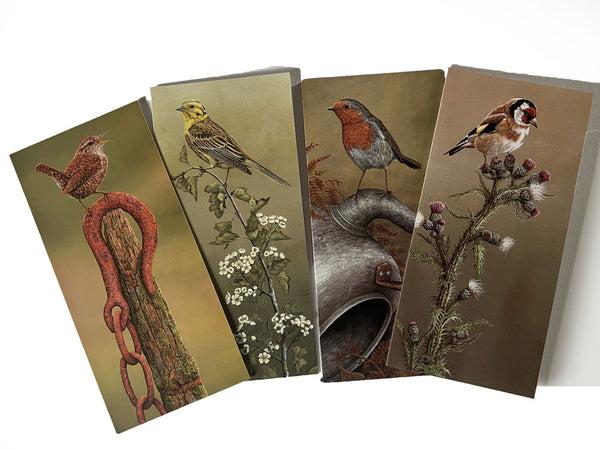
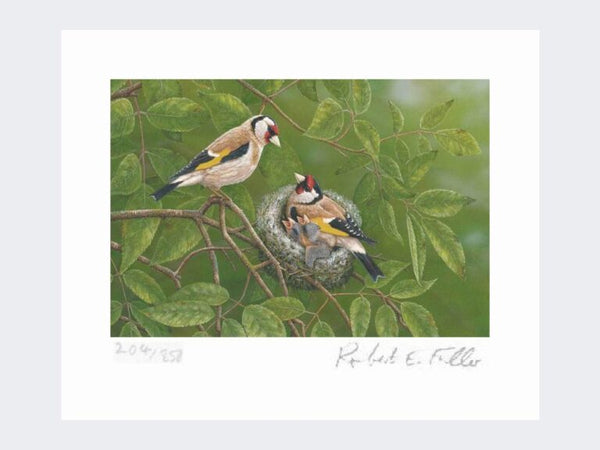
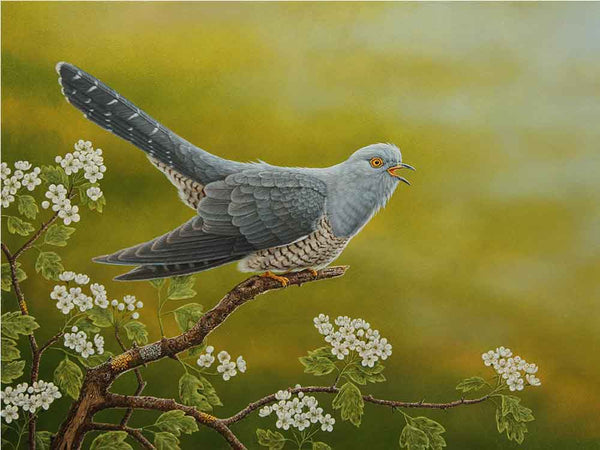
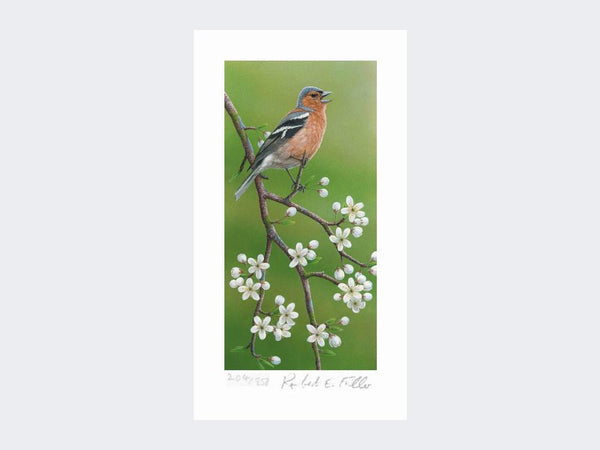
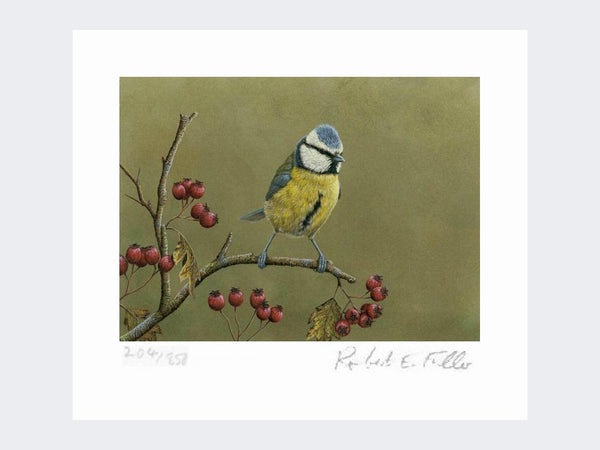
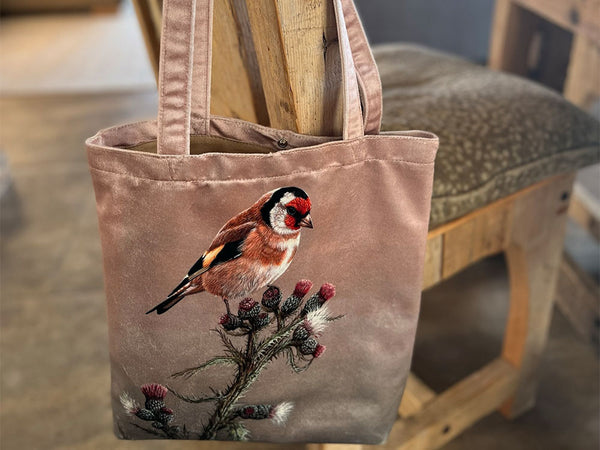
Art inspired by bird builders
But the preparation undergone by these birds of prey pales in comparison to the energy, inventiveness, and sheer hard work other, smaller, bird species put into their nests. I never fail to be amazed at the way these smaller species busily create intricate shapes using just their beaks.







6 comments
Merci de partager votre magnifique reportage, photos et contenus descriptifs très enrichissants ! 😍🤗
Merci
We too have had long tailed tits nesting in our berberis hedge this year, the first time that has happened. We watched them in the nest building stage when they came to the windows- we couldn’t tell what they were getting, but I presume cobwebs after reading about their nests. The brood fledged two days ago, I saw two fly to a nearby tree then spotted a marmalade cat prowling across the lawn so had to dash to shoo it away. It returned once more and then a pair of magpies flew into the tree so they needed scaring off as well. I have no idea how big the brood was but now they have gone we went to look at the nest and can’t believe it could hold very many chicks, it looks so tiny. We never heard any sound from the nest all the time it was there, I was very glad that it was in that prickly hedge which would have deterred cats from trying to investigate if they had seen the parents. As the long tailed tits are very sociable I hope we will see all the family in the garden again. We have two nesting boxes with cameras but neither one has a nest. A great tit used one to sleep in through the winter but went elsewhere to nest. We have a wildlife camera and caught the long-tailed tit parents leaving the nest as they perched on top of an obelisk plant support before heading off for food. They have been a delight to watch.
What a lovely picture you paint.I also have a lot of birds and a wall of ivy but only a few nest as I also have visiting crows, magpies and cats. I did find an exquisite wren nest today out on a country visit that must have been predated as it was on a woodland path. A work of art.Your comments confirm it is a wrens nest.
Evie Macfarlane May 6 2025
Hi:) I’ve had a pair of Long Tailed Tits nesting in my garden this year and have watched them everyday and taken hundreds of pics over the weeks. They’ve been taking turns feeding chicks this week – busy as anything everyday – in and out non stop. However today they have utterly vanished. I haven’t seen either once all day. I was just wondering – did you see them leave the nest at all? And do they keep coming back? I didn’t think they’d all vanish just like that – weakened!
I had blue tits last year and they all tiny fledglings sat in the trees each day for a while at least!
I was so looking forward to seeing all the long tailed tit fledglings I must admit …also bit concerned there’s an unattended nest full of chicks as the parents have disappeared 😩
Now this is all enjoyable reading. The hive of busy avian nest making was informative and could imagine the excitement of the little birds getting seriously involved in nest building.