
My story as an artist and filmmaker began with watching wildlife in water. I build entire habitats around ponds and then document the extraordinary drama of everyday wildlife.
I've travelled the world to watch wildlife but it's the species living close to my Yorkshire home where I've uncovered the most spellbinding stories. And these mini-dramas usually revolve around water. From the frogs in my garden pond - whose lives rival any modern Sci-Fi movie - I've made it my mission to record the extraordinary lives of everyday animals.
In this talk, delivered at the Global Bird Fair 2025, I reveal how water is at the heart of my work with wildlife.
My wild garden
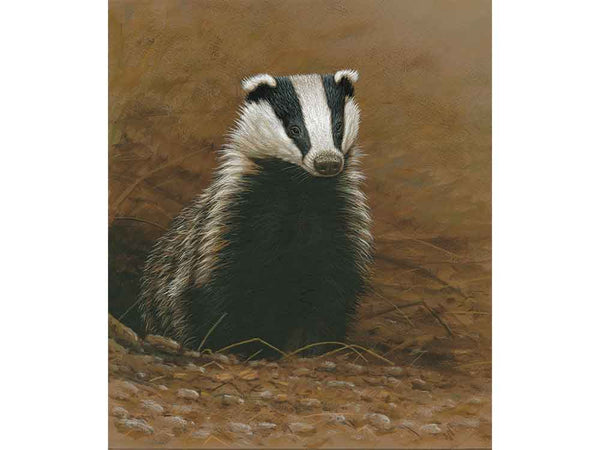
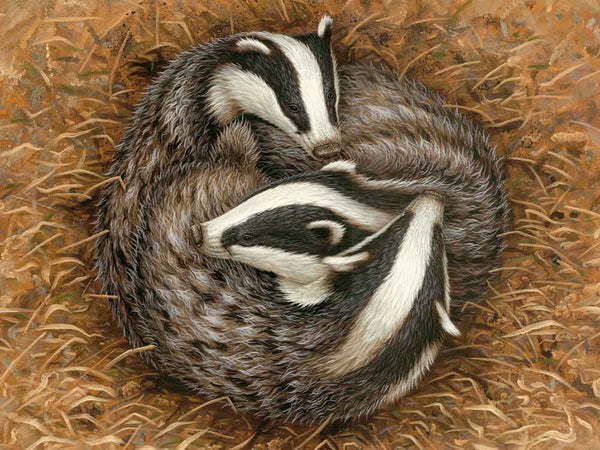
I built my garden, high on the Yorkshire Wolds, with wildlife in mind. And as with any wildlife garden, I began with water. From there I added drystone walls for stoats, an underground sett for badgers, nest boxes for owls and a woodland for passing hare and deer. Then I placed 80 cameras throughout.
My fascination with wildlife began by watching the creatures in my garden pond. Much of my early life was spent staring into our garden pond, following the incredible dramas that unfolded in its watery depths. I watched back swimmers, diving beetles, wolf spiders, newts and tadpoles as they played out their gruesome, thrilling lives.
Back swimmers, for example, will inject tadpoles with a poisonous saliva that dissolves their insides! Art This fascination for nature was also the beginning of my life as an artist. I would draw everything I saw, recording every detail. I wasn't any good at school, being severely dyslexic, but I wanted to learn everything about the behaviour of the animals I watched.
My wildlife pond
When I moved to my current home, where my gallery is also situated, the first thing I did was dig a pond. And not long after frogs began to arrive. I filmed their story, right from their raucous mating to the fascinating way the cells in their spawn divides, through the metamorphosis from tadpole to froglet.
I then built a pond especially for stoats, and next to it a secret nesting chamber and tunnels for them to hide in. This too led to a film, uncovering the secret lives of these elusive animals. There are now nine ponds in my garden and no more space for any more owl or kestrel boxes. So when I got the chance to develop a new habitat in a nearby ash woodland, I also began with a pond. This has since attracted so many species: from badgers, to foxes, roe deer to even a goshawk and my cameras document it all.
Water sources further afield
At a larger stretch of water, not far from my home, I have found more subjects to film. I've created artificial nesting chambers to attract kingfishers and, whilst waiting for their eggs to hatch, have placed hides close to a swan nest as well as a reed warbler nest where a cuckoo chick was lurking.
To record all this incredible, secret, action, I've used remote cameras. But even with this support, my work can be exhausting and involves long days in a hide unable to leave for fear of missing out on all the action. This spring I even built an underwater tunnel to film a swan nest.
I hope you've enjoyed learning more about my filmmaking process and the dramas that unfold when you provide water for wildlife - and I hope I've inspired you to go out and create habitats for the creatures in your gardens too!







2 Kommentare
Such an interesting, inspiring and exciting talk with videos that encourage everyone to get digging and creating water spaces, both big and however small, for wildlife.
Such an interesting, inspiring and exciting talk with videos that encourage everyone to get digging and creating water spaces, both big and however small, for wildlife.