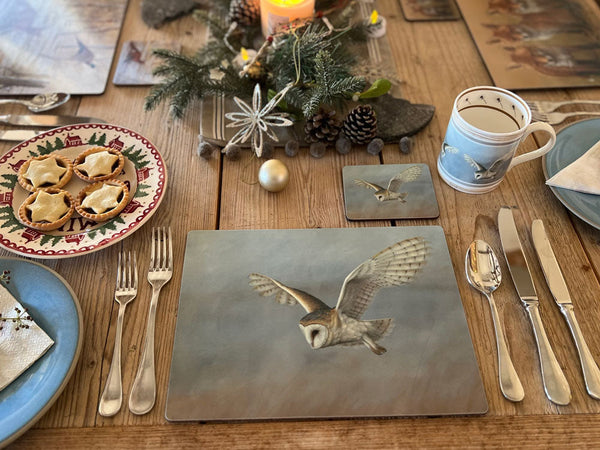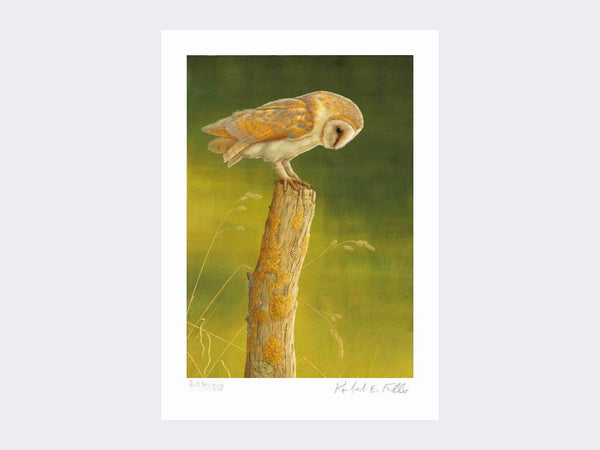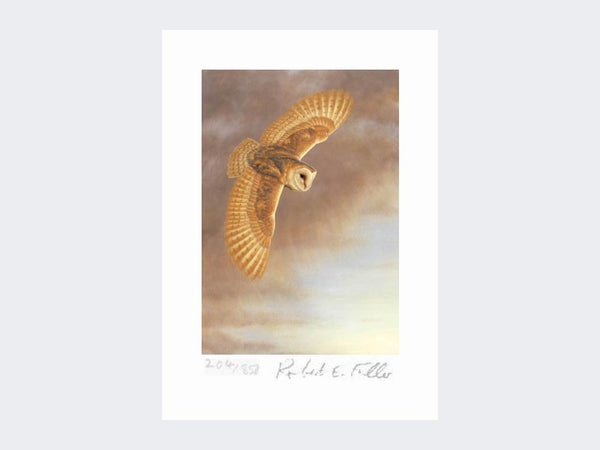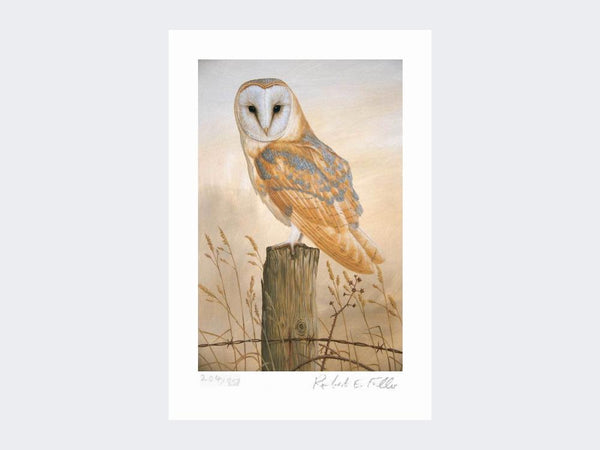
In their third breeding season, barn owls Gylfie & Dryer had just one chick - an adorable owlet named Ace. Read on for the story of how this only owlet hatches and grows into a healthy young barn owl and discover how in his final days survival meant having to compete with his own mother for food.
Barn owls Gylfie & Dryer
Gylfie has lived at Fotherdale for eight years, with Dryer as her partner for the last two. Together they have raised six chicks and Dryer has proved to be a devoted owl dad. Their favourite nest box is Elm and this year they laid two eggs here. But this barn owl pair don't keep the nest particularly clean. In comparison to tawny owls, who will leave the box to defecate, barn owls don't mind pooping and pelleting right next to the clutch. One advantage to this is the eggs are never left alone - which is a good thing since there are tawny owls and kestrels about.
Raising an only owlet
As Gylfie broods her new clutch, Dryer remains at her side - attentive to all her needs. He is also curiously fascinated by the eggs and Gylfie must rearrange the clutch after he rolls them away from each other. Sadly only one chick hatches, but Ace is a quick developer and by nine days old is already trying to feed himself. By 12 days he can swallow prey whole. And when he is almost one month old Gylfie & Dryer begin trying for another brood, leaving Ace to spend his days alone, save for occasional food deliveries from Dryer. It is fascinating to watch Ace entertain himself - even playing with the unhatched egg as though it were a football.
Competing for food
As Gylfie focusses trying for a new brood, she begins to see Dryer's food deliveries to Ace as opportunities for an easy meals and even snatches food intended for Ace from him. It's a confusing time since when courting male barn owls will offer food to females. But it is especially confusing for Ace because when he challenges Gylfie, she then offers the food to him. But Ace is a fiesty individual and he charges at his mother, demonstrating strong survival skills.
First flights
At 43 days old Ace clambers up to the nest entrance and takes in the view for the first time, but thankfully Dryer arrives with food and tempts him back in. It's too soon to fledge. A week later, the same day Ace gets his BTO identification ring, he fledges the nest. Dryer continues to feed him as he learns the ropes and it's incredible to watch him develop his independence.
In the end, Gylfie and Dryer didn't have a second brood, but Gylfie's competitive approach to her owlet only seems to have helped the youngster become strong.