
Bird nests come in all shapes and sizes. From woven cups to hidden burrows, and even floating platforms, as in the little grebes featured above, each is a remarkable feat of engineering and reproductive strategy.
In this blog post, discover how each, intricate build is tailored to the needs of the chicks that will grow up within them and enjoy the films and paintings these bespoke nests inspired.
Long-tailed tit nests
 Long-Tailed Tit With Wool | Limited Edition Print
Long-tailed tits build domed-shaped nests that enclose their chicks, keeping them safe. They use lichen, moss, and even sheep’s wool stitched together with cobwebs that help the nest stretch to accommodate the chicks as they grow up. Watch the process as a pair of long-tailed tits build their nest in this film. The painting above was inspired by watching a pair gather sheep's wool from where it had caught on a barbed wire fence.
Cup-shaped nests
Goldfinch nests are cup-shaped. Made from moss and lichen, and intricately woven by the female birds these are usually lined on the inside with wool. Occasionally goldfinch nests are also decorated in flowers. Goldfinch at Nest | Limited Edition Print | Available to Buy Here
Wrens also create cup-shapes, using sticks for the supporting structure which they then weave grasses and moss into it - using just their beaks.  Wren & Chicks | Acrylic Painting
These birds often also use existing cavities to nest in. I once watched a wren that had woven a nest from grasses and moss in an overhang by a roadside.
Building materials
Birds will choose nesting material that suits the needs of their chicks most. But they are also limited by what is available. Swallows make relatively solid nests out of mud. The mud helps the nest to stick to the walls of houses, since this species prefer to build their nests under the eaves of buildings where their proximity to humans helps keep them safe from predators. In dry summers, I've helped out by pouring water into the soil to ensure they have enough nesting materials. To make the actual nest, they tie layers of mud together with strands of grass, 'stippling' the surface with their beaks to hep it adhere. Inside the nests, these birds line bottom with feathers so they are soft for their eggs and chicks. The painting below was inspired by watching a swallow pair bring up a brood in my porch.
 Swallows Time for Tea | Limited Edition Print
Safe spaces
Location is also important for a bird home, and robins are also known for choosing to nest close to humans. The painting below was inspired by a pair that nested in an old kettle I used to keep the labels for my vegetable garden. The nest they built inside was a shallow cups, built by the female from leaves and moss and lined with hair.

Robin on Teapot | Limited Edition Print
Hidden burrows
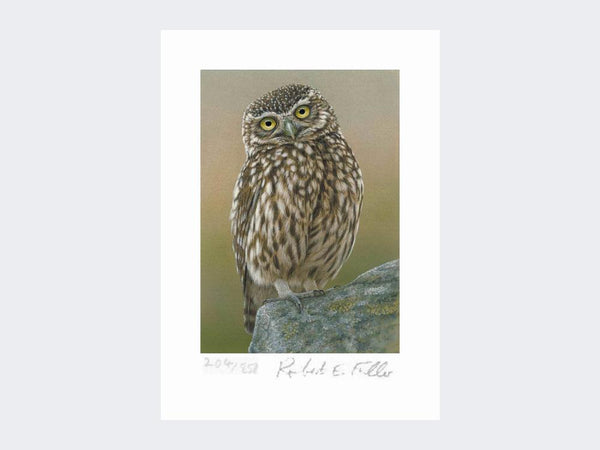
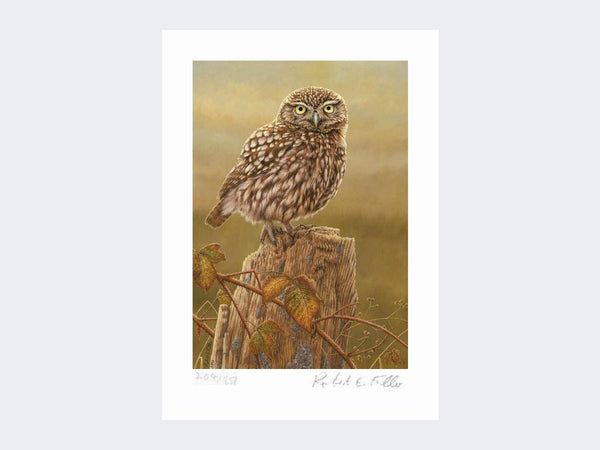
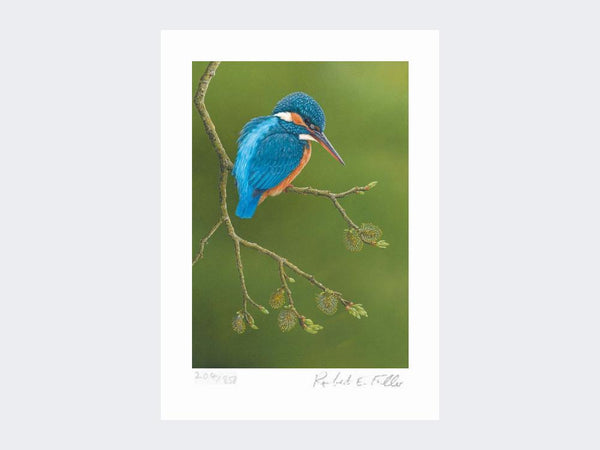
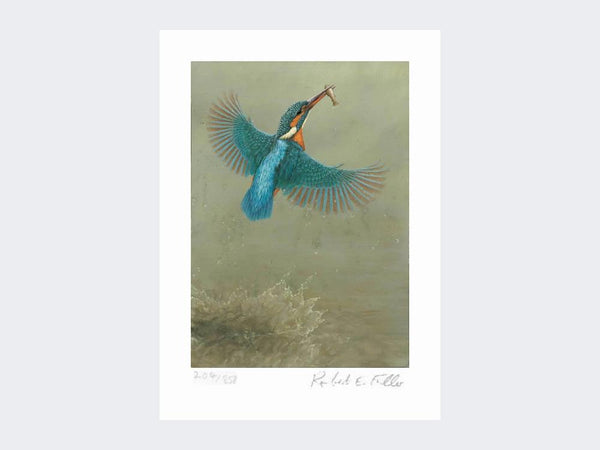
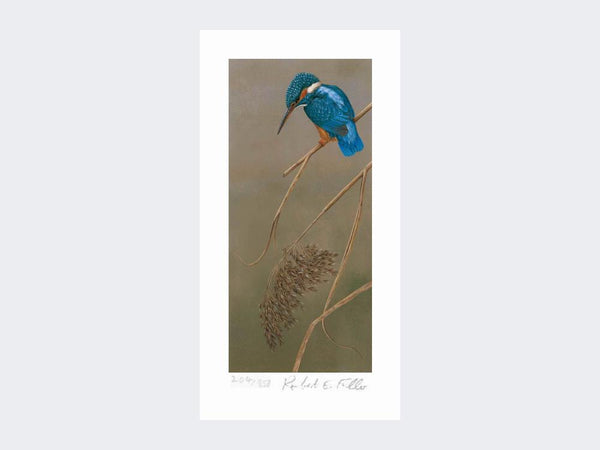
Many birds will nest in hidden burrows. Little owls will choose existing holes, like old rabbit warrens, and kingfishers will bore out their own, digging long tunnels into muddy river or lakeside banks with their long sharp beaks then excavating a round shape to nest in at the end. These are small enough to ensure predators cannot crawl in are cleverly designed to slope so that excrement drains, keeping the chicks inside clean. Click here to watch a pair of kingfishers bring up their chicks in a secret, underground replica nest I built for them.
 Kingfisher in Nest | Acrylic Painting
Ground nesters
Some bird nests seem alarmingly exposed. Curlews, for example, simply scratch a hollow into open moorland and line it with grasses. They choose dry sunny spots. Curlew & Chicks | Limited Edition Print
Lapwings too scrape out a hollow and line it with grasses. They often choose arable fields or areas of short grass from where they can keep a look out for predators. Read more.
 Lapwing & Chicks | Limited Edition Print
But the female mallard, who builds a nest from leaves and grasses and lines it with down plucked from her breast, will usually pull grasses over her as she broods so that she is hidden from view.  Just Hatched | Limited Edition Print
Floating nests
Great crested grebes nests are very innovative. They collect reeds from the lake bottom and pile them up into floating nests. Secured only by reeds, these inevitably sink, so the grebes keep adding more grasses on top. Great Crested Grebe and Chicks | Limited Edition Print
Tree nests
Both male and female woodpeckers work together to chisel into the bark of a tree trunk and excavate a deep hole to nest in. It can take them up to three weeks to dig out a deep, safe nest.

Woodpecker with Chick | Acrylic Painting
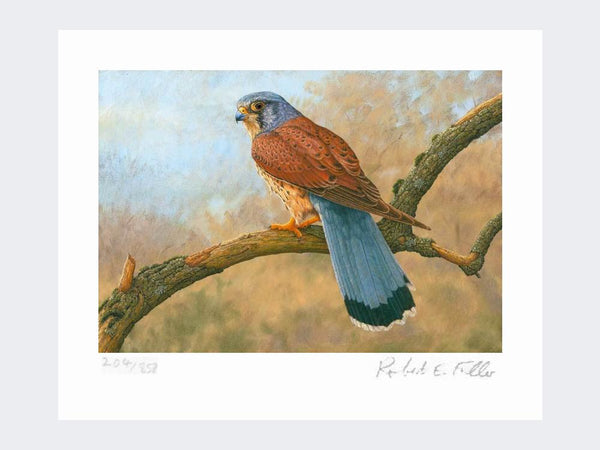
Meanwhile owls and kesterls don't actually build nests at all, instead they choose tree cavities and simply scratch out a shallow hollow and lay their eggs inside. The painting below was inspired by a kestrel whose nest I followed using cameras hidden inside her nest. Read More.
 Mrs Kes Guarding the Nest | Original Acrylic Painting
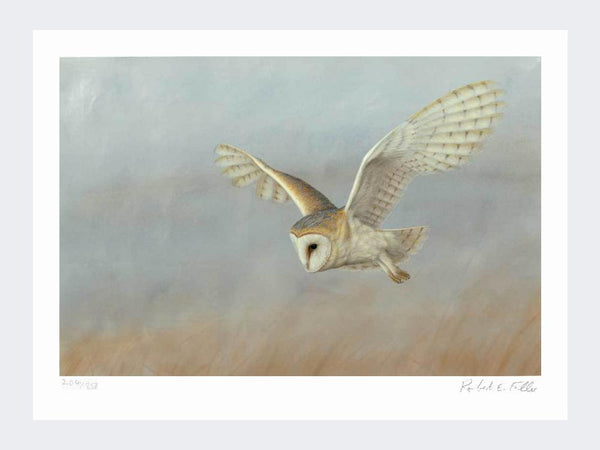
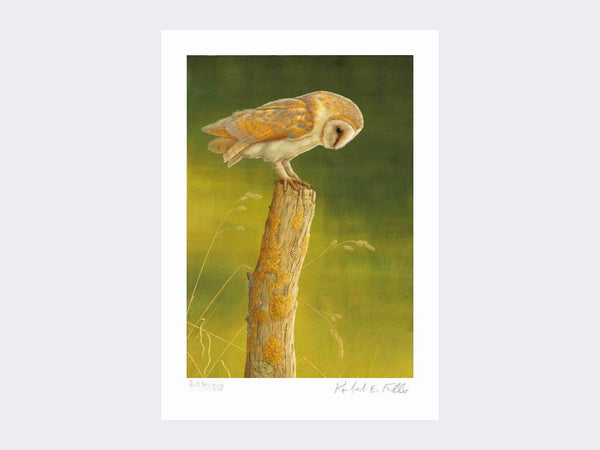
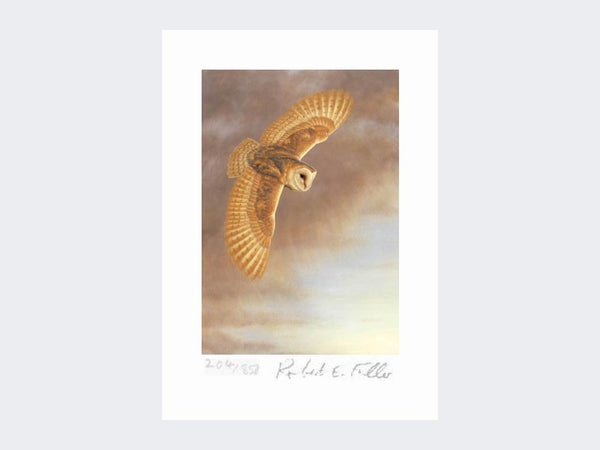
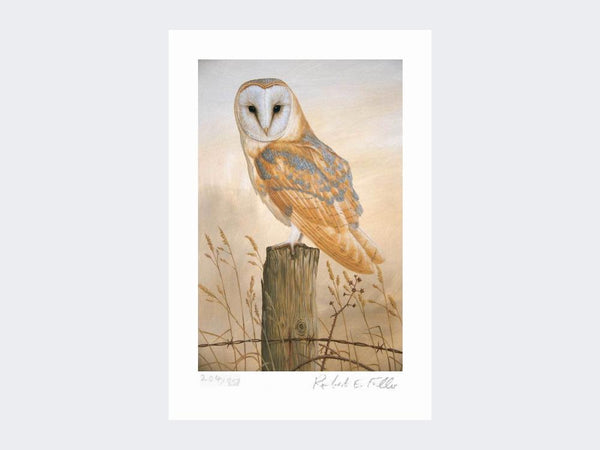
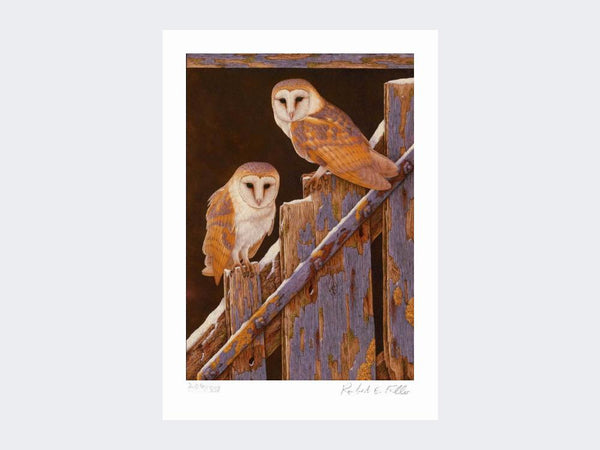
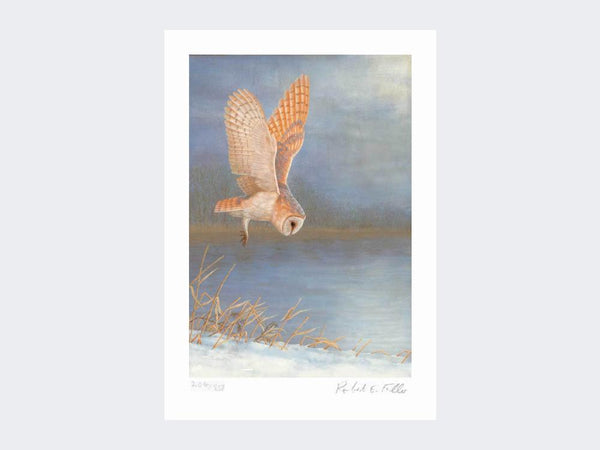
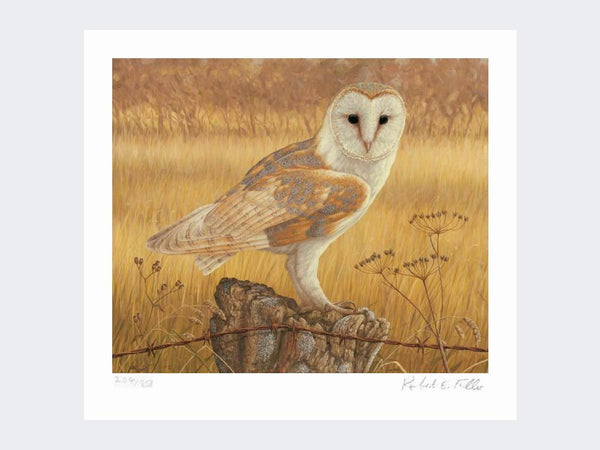
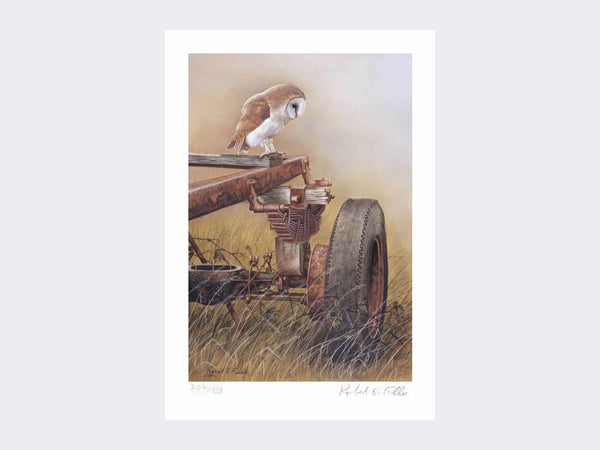
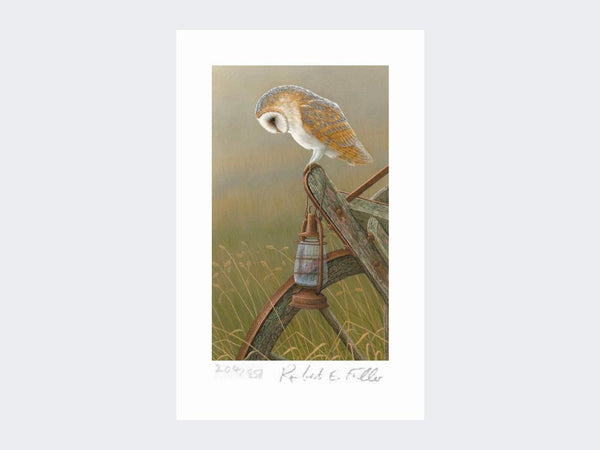
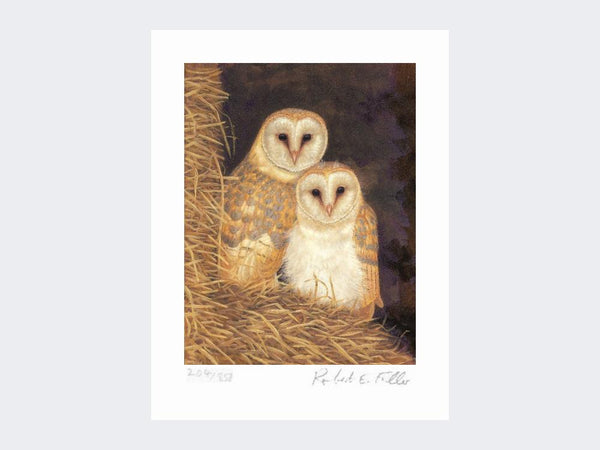
Barn owls also scratch out shallow hollows inside natural tree cavities, or, on ledges in old barns. I follow the lives of owls and kestrels via nest cameras. Click here to watch them on my livestream.

Snuggled Up | Limited Edition Print

Barn Owl in Tree | Acrylic Painting


1 comment
Your paintings are all so good I thought they were photos