It's springtime here on the Yorkshire Wolds and all the animals in my garden are gearing up to create new life. This is my favourite time of year. It’s the start of new breeding season and the wildlife is just so busy.
First sign of spring
One of the first signs of spring are frogs. These wide-eyed amphibians crowd my garden pond, filling it with spawn. It’s fascinating to see the black eggs at the centre of each bubble of spawn turn into tadpoles. Then, weeks later, I see tiny young frogs hopping around the water’s edge.

It's the monotone croaking of frogs that provides the soundtrack to the season. Along with the birdsong, which begins at the first crack of dawn.
Garden birds in spring
It's exciting to watch birds I've fed all winter now busy building nests. Long-tailed tits use moss, lichen, sheep’s wool, and feathers to create soft, intricate domes. These delicate grey and pink birds then bind it all together with sticky cobweb threads.

The spider webs are an ingenious touch, since long-tailed tits tend to have large broods and need their nest to expand with the growing brood. I’ve heard of one pair having 15 chicks, although it is more usual for this species to have between eight to 12.
Goldfinch nest
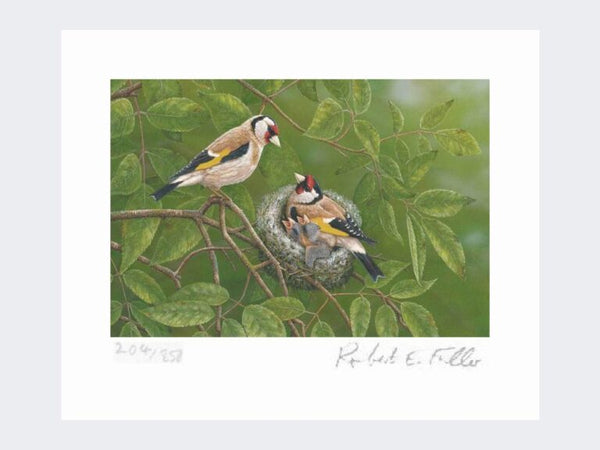
In my front garden, a pair of goldfinches have just finished building their nest. I watch as one shakes off excess sheep’s wool from its small, sharp beak. It has built its nest from moss and lichen – and bound it, I notice, with a bit of old garden twine I must have dropped in the garden.

This brightly-coloured bird settles into its new construction, which is shaped like a teacup and looks super cosy with its soft lining of sheep’s wool, all ready for a clutch of precious eggs.
Wrens nesting
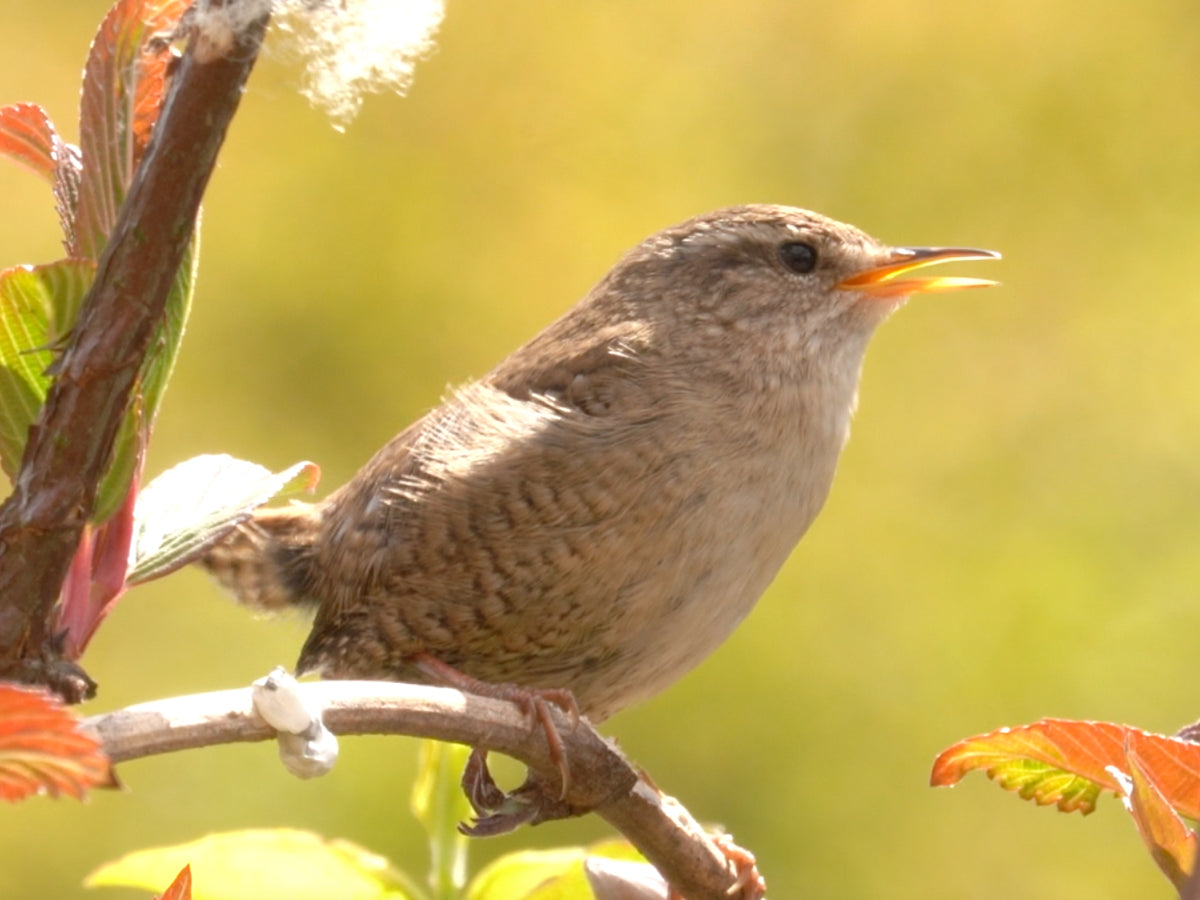
Not far from this nest is a pair of wrens. These tiny, pert little birds have made their nest deep in a patch of ivy. It’s so well hidden I might have missed it if it wasn’t for the way the wrens kept flitting to and from the spot, their beaks full of brown leaves. Wren nests are coarse constructions, made from twigs and dry leaves. But the waxy green ivy leaves will keep these chicks dry.
Robin chick hatching
Robins are early nesters and the pair in my garden already have a noisy brood of yellow-beaked chicks. Their nest is also in the ivy, but a respectable distance from the wrens. Like the wrens' nest, it is made from dry leaves.
Robins often like to nest close to humans since it helps protect their chicks from predators and this pair choose to nest near my house most years. It means I get to watch their chicks grow. These youngsters look so funny when they fledge, the feathers on the top of their heads are usually short and stick up, making them look like mini avian rockstars.
Young hares
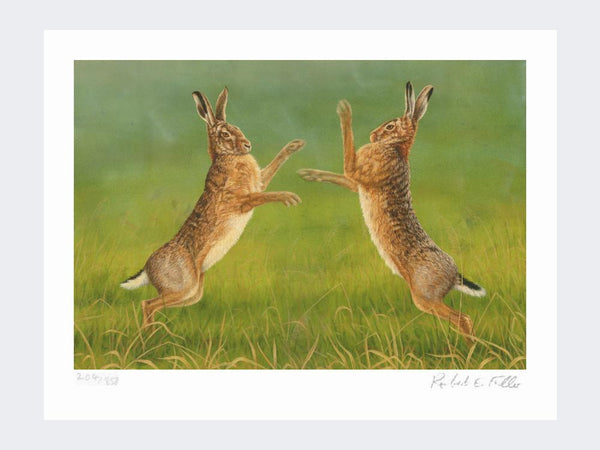
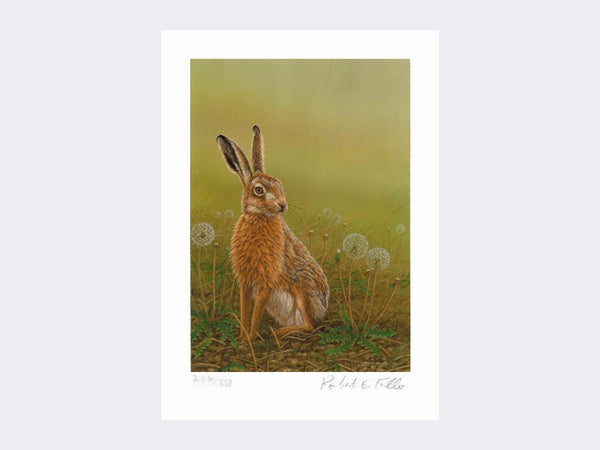
Most springs, hares hide their leverets in the grassy banks of my art gallery car park. I often see them crouching stock-still underneath the cowslips and campion flowers that grow there, waiting for their mother to visit. When she eventually arrives, it’s under the cover of dark and she doesn’t stay long. The moment a hare visits to suckle its young is one of nature's most intimate secrets and happens so fast it’s hard to record.
One year, I trained a network of surveillance cameras on two tiny leverets. It was fascinating, but when I noticed a tawny owl follow the hare to the spot where the leverets were hidden, I realised why these visits are so fleeting. Thankfully the owl didn’t spot the baby hares. But later, as these leverets began to explore the car park, a stoat tried to pounce and I was relieved when the mother hare bounded to the rescue.
Stoat kits
Most springs there are is often also a stoat to spot here in the garde, looking for a cosy place to give birth to its kits. You see them, their bellies heavy and distended with litters, stashing food and bedding material into their hidey-holes.
Owl chicks
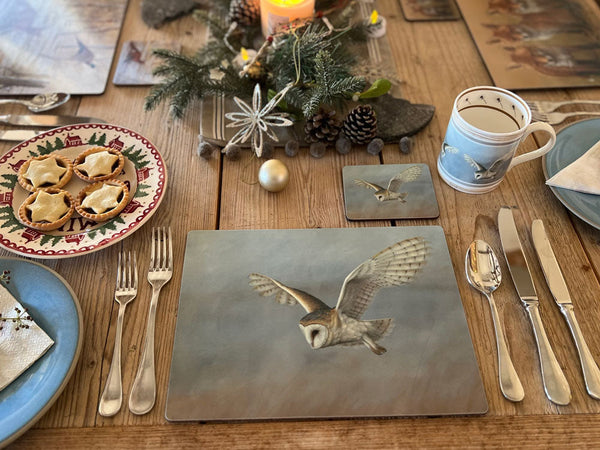
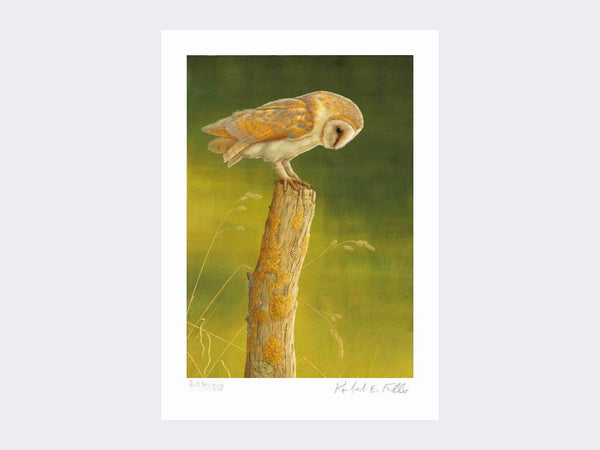
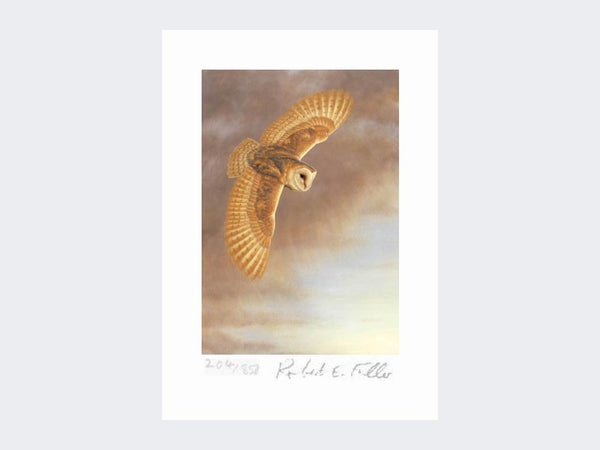
Cameras hidden inside owl and kestrel nest boxes in my garden mean I spend most of my evenings watching the secret daily dramas of these bird families via monitors in my studio.