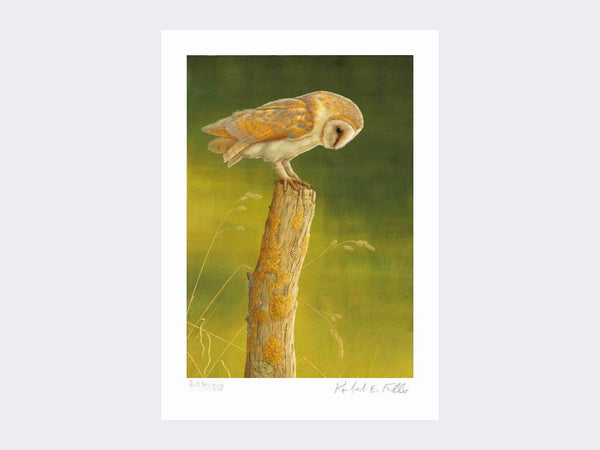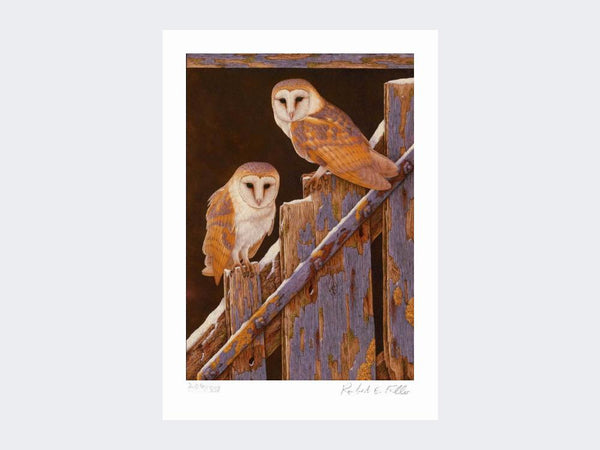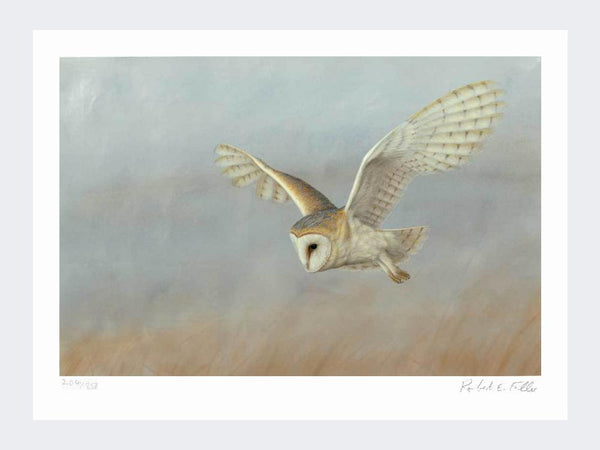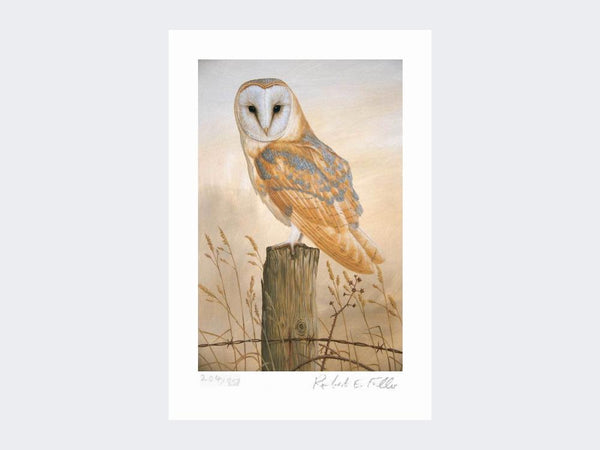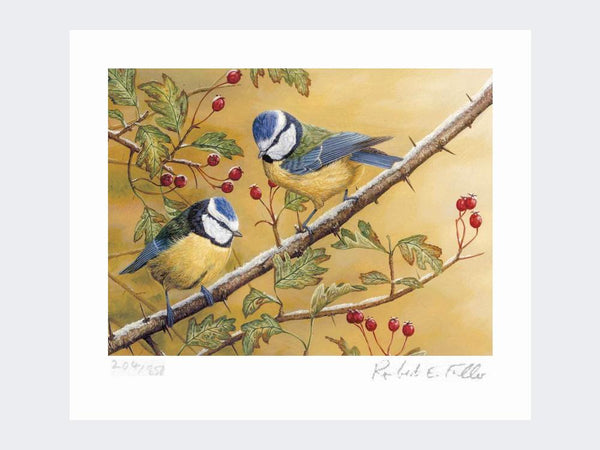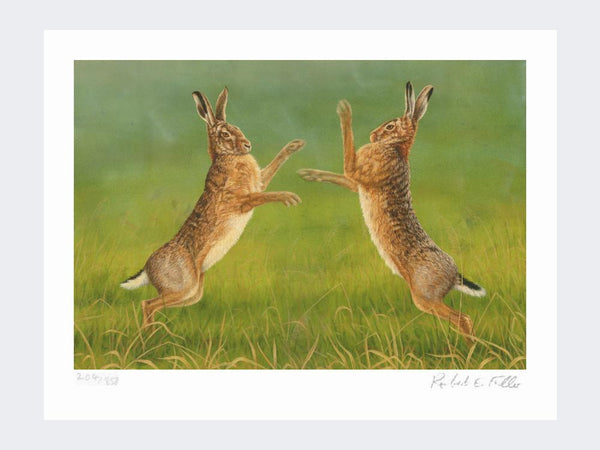
This month my YouTube channel hit one million subscribers. It’s an achievement that’s blown me away - since I mostly film the everyday lives of animals living around my home and gallery in Thixendale.
Now among world's top independent wildlife creators
This milestone not only earns me a Gold Creator Award but also, rather unexpectedly, makes me one of the largest independent wildlife social media creators in the world. I follow the daily dramas of individual animals via cameras hidden in my garden and the surrounding countryside, sharing the content on livestreams and creating films from the best bits.
Incredibly, some of these wild characters have become internet stars. Almost 15 million viewers watched Luna the tawny owl adopt two rescue chicks after her eggs failed and a recent film about barn owls Gylfie & Finn has had 2.7million views.
 Tawny owl Luna a star of channel
Incredibly, some of these wild characters have become internet stars. Almost 15 million viewers watched Luna the tawny owl adopt two rescue chicks after her eggs failed and a recent film about barn owls Gylfie & Finn has had 2.7million views. Competition to give these animals names is fierce, with thousands giving their name suggestions, so I run polls to keep it fair. I also create more in-depth nature films about a wide range of British species such as kingfishers, swallows – even frogs – and travel-focused films about wildlife around the world.
How it all began
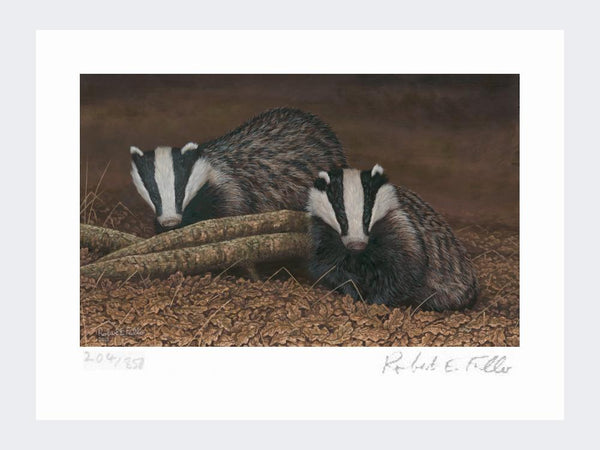
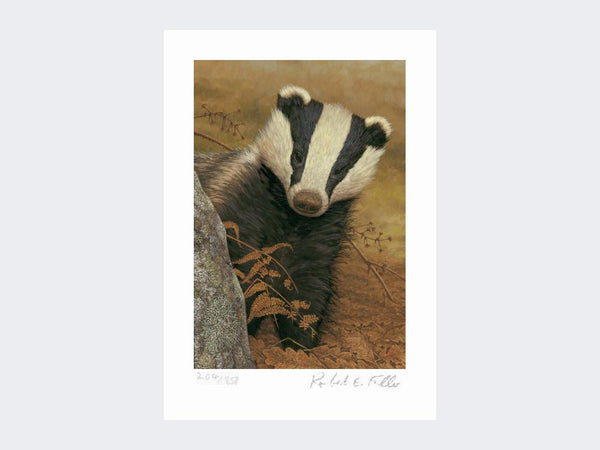
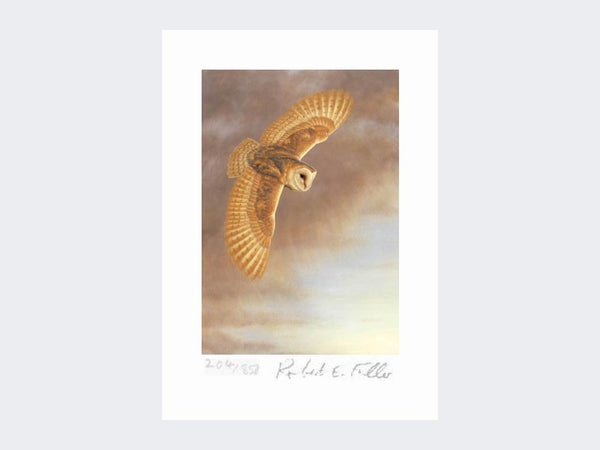
My channel has come a long way since it launched in 2010. Initially my surveillance cameras were to help me capture individual characters in paint. I was able to see when animals were about to leave a nest and be ready with my camera to capture the portrait, then get the paintbrushes out. Back then the video quality was poor. Now, the remote cameras I use offer high-quality definition, and I now have access to more reliable broadband which means I’m able to stream 24/7 from inside the nests.
But what has really spurred me on is the incredible community of wildlife fans from around the world. Twenty five per cent of my one million viewers are from the USA, with India, Canada, Indonesia, and the Philippines also featuring in the top five countries. Last year I was contacted by a schoolteacher in South Korea who wanted to show me the drawings her class had made of the animals they watch on the channel. Who would have thought so many people would be interested in British wildlife?
How cameras changed my art
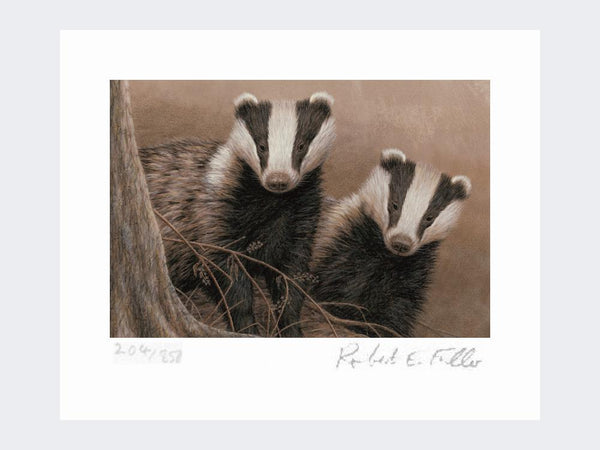
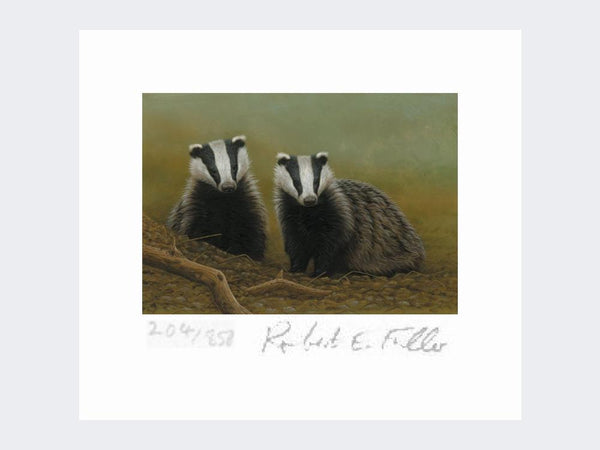
Being able to see what happens when animals disappear into their nests also meant I could produce a very different type of painting. One of my pictures illustrates this well. It features three badger cubs curled up together in their underground sett and came about because I had built the sett – complete with hidden cameras – especially to record their behaviour.

The cubs had been rescued by wildlife rehabilitator Jean Thorpe of Ryedale Rehabilitation and were almost ready to be returned to the wild, so we released them into this sett where we could keep an eye on them as they grew accustomed to independent life. It was so special to see how they behaved once underground. What particularly struck me was the way they curled up to sleep in a circle - a very efficient way of retaining body heat.
And revealed the secret world of animals
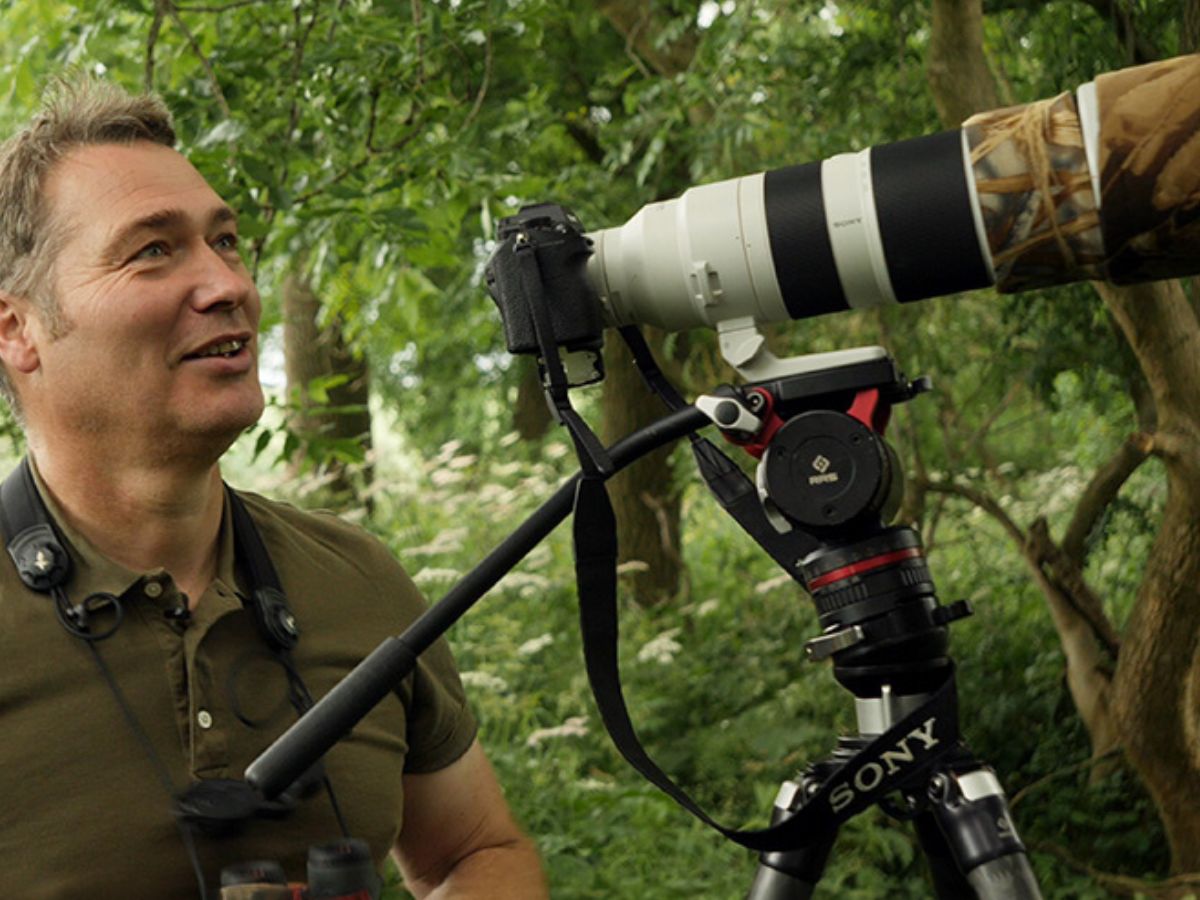
But as I began sharing my video and streaming the nest cameras online, I’ve began to discover more about the secret, hidden lives of wild creatures. One of my biggest projects was to film nesting kingfishers. To watch them, I created an artificial lakeside bank with a nest for the kingfishers and space for myself and cameras too.
This setup meant I was able to capture every stage of the process from egg-laying through to the chick’s first flights. With unique footage like this, and spurred on by viewers, my films became more than just studies for my paintings and took on a life of their own. The footage I got even featured in a recent BBC documentary, Secret Garden, narrated by David Attenborough. And my quest to film a cuckoo in a reed warbler’s nest, features in the latest Springwatch series.
 Film about a cuckoo chick featured on TV
But one of my first major TV projects started when I was approached by BBC Natural World to contribute to a documentary about mustelids. My footage of the stoats and weasels in my garden became a major focus of the film, which aired in 2019 on the BBC & PBS in the USA, and the story of my wildlife garden reached viewers around the world. Its success cemented my decision to share more of my videos online alongside my paintings.
Livestreaming led to surge in views
It wasn’t until Covid hit and the UK went into lockdown in 2020 that I decided to set up a livestream from my hidden cameras so that my customers could enjoy watching the owls and kestrels from their homes. And this is when the real success began. All of a sudden, I was reaching a worldwide audience of nature lovers and the 24/7 nature of the streaming meant they had direct views into the secret world of animals at a time when we all needed it the most.
Surprisingly, it turned out that there was a huge audience of owl lovers in the USA. Not only were these wildlife lovers unable to get out into nature, but they were awake when the British viewers were asleep – and able to follow the owls on the nest cameras during their most active moments. I often found myself catching up on all the action I’d missed overnight just by reading through the comments they’d made as they watched live.
 Viewers see directly into barn owl nests
Over the space of just one summer, my YouTube subscribers doubled, and with it a strong community of wildlife lovers all supporting one another during what was a very anxious time. By September 2020, I was broadcasting a daily lockdown live Q&A session, answering questions about British wildlife and describing animal behaviour to a group of dedicated viewers.
A global community of wildlife lovers
I also began to receive a deluge of fan letters and emails from people who really appreciated the content. There were even messages from parents whose children were autistic children who told me my videos and live-streams were the only time that their children would sit still.
And others from people who suffered from anxiety or were ill and unable to get out. They told me they found solace in watching nature – and interestingly many from the USA were keen to learn about our British species and to share stories about their native species too. At that time the gallery was shut and the gift shops around the country that normally sold my greeting cards were also facing closure.
However, what really seems to connect with my audience is the stories of individual animals. I had one family tell me they were watching my livestream as they waited in the queue to go up the Statue of Liberty and another, a bartender in the Netherlands, switched the screens over from sports to my owl nest when Gylfie the barn owl’s chick was due to hatch.

Six years on, I still find it special to see how wildlife bring people together from all walks of life. People with different religions and from different cultures and countries, all speak the same language when it comes to finding peace at the sight of a barn owl sleeping or empathy at the resilience of kestrel defending her chicks from intruders.
TV & Travel
TV companies and their camera crews around the country were also under lockdown, so I was given the opportunity for the first time to present my own film on how wildlife had taken over my children’s playground for BBC1’s The One Show. I’ve presented my own films for them ever since.
 Robert travels world to tell wildlife stories
On the channel, among my most popular films are those that tell the story of an animal rescue. Possibly because they pull at heartstrings, but I’ve also made travel films – one about grizzly bears in Alaska was my first featuring non-British species to reach one million views.
Promoting conservation
Of course, I’m still painting - after all I’ve wanted to be a wildlife artist since the age of 15 and when, after four years at art school, I had my own gallery it was a dream come true. But at the heart of everything is my commitment to wildlife. When my wife Victoria and I renovated the site at Fotherdale Farm, we didn’t just restore the buildings, we also developed the landscape around it.
We planted wildflower meadows, dug ponds, planted a woodland. Neighbouring farmers were supportive and allowed me access onto their land to put up nest boxes for the birds, kestrels and owls. The stories of how I created these wildlife habitats are among my most recent successes - a recent film about how I built a pond had three million views.
What's next?
And now with one million subscribers to the channel – not to mention 1.6 million followers on Facebook – I’m looking forward to bringing more of my wildlife stories to even more people. It's been an incredible journey so far and I’m sure there is an exciting future ahead too.